Tate Britain event flowers: Pimlico gallery installs
Posted on 26/05/2026
Planning flowers for a Tate Britain event is not quite the same as ordering a pretty bouquet for a dinner table. Gallery work has to look refined under strong lighting, move safely through busy spaces, complement exhibitions rather than compete with them, and arrive on time without creating fuss. That is why Tate Britain event flowers: Pimlico gallery installs calls for a very specific approach: elegant, venue-aware floristry designed for cultural spaces, private launches, receptions, previews, sponsor evenings, and press moments in and around Pimlico.
In this guide, we break down what gallery installations involve, how they are planned, which flowers work best, and what to avoid if you want a polished result. You will also find practical steps, a comparison table, a checklist, and advice on delivery and timing that can save you from avoidable stress. If you are arranging flowers for a Tate Britain function, or supporting a wider hospitality brief in SW1, this article will help you make confident decisions.
Expert summary: the best gallery flowers are the ones that look intentional, travel well, respect the venue, and are simple enough to hold their shape in real-world event conditions. Beauty matters. So does practicality.
Why Tate Britain event flowers: Pimlico gallery installs Matters
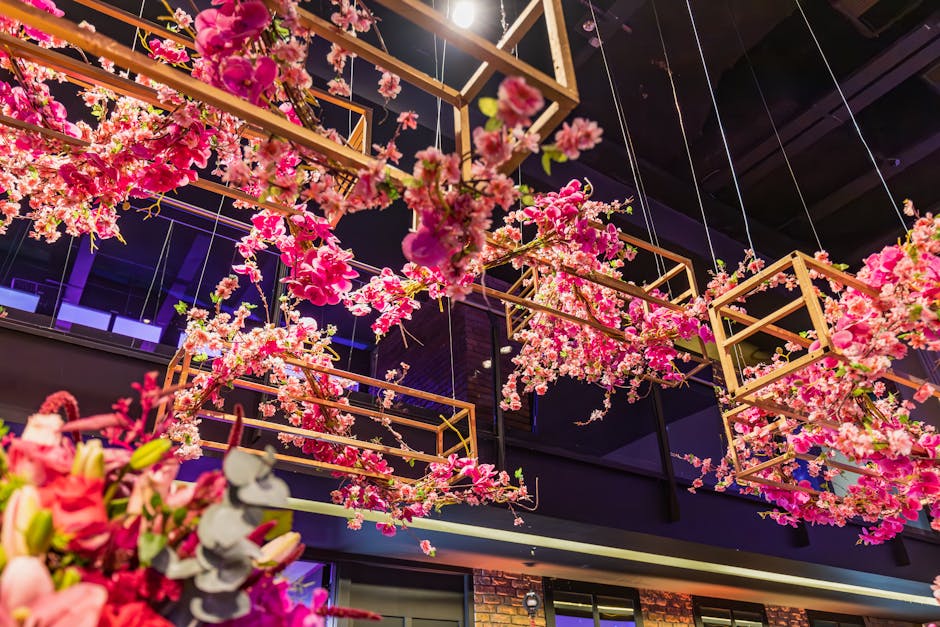
Gallery flowers do more than decorate a room. In a space such as Tate Britain, they help shape the first impression guests receive as soon as they walk in. A thoughtful installation can soften a reception desk, frame a sponsor wall, lift a drinks area, or add a sense of occasion to an opening night. The same stems that look perfect in a florist's workshop can feel too loose, too tall, or too fragrant once they are inside a museum-style environment with security, foot traffic, and camera crews.
That is why the Pimlico gallery installs approach matters. It combines florist skill with venue awareness. The design must respect sightlines, circulation, and the architecture of the room. It also needs to feel credible in a cultural setting. A Tate Britain event does not usually call for overstuffed arrangements or decorative noise. It calls for precision, scale, and restraint.
This is especially relevant if the event includes VIP guests, media coverage, donor hospitality, or a seasonal exhibition launch. In those settings, flowers become part of the brand experience. They should support the tone of the event, not distract from it.
There is also a practical side. Museums and galleries often work to tight access windows. That means flowers need to arrive in the right condition, be quick to install, and remain stable throughout the event. The right florist will understand that a beautiful arrangement is only useful if it survives the setup, the lighting, and the evening itself.
If you need a broader local base for planning, it can help to start with a trusted Pimlico florist who understands venue-led work. For urgent requests, same-day flower delivery in Pimlico can be a practical backup when timing becomes unexpectedly tight.
Table of Contents
- Why Tate Britain event flowers: Pimlico gallery installs Matters
- How Tate Britain event flowers: Pimlico gallery installs Works
- Key Benefits and Practical Advantages
- Who This Is For and When It Makes Sense
- Step-by-Step Guidance
- Expert Tips for Better Results
- Common Mistakes to Avoid
- Tools, Resources and Recommendations
- Law, Compliance, Standards, or Best Practice
- Options, Methods, or Comparison Table
- Case Study or Real-World Example
- Practical Checklist
- Conclusion
- Frequently Asked Questions
How Tate Britain event flowers: Pimlico gallery installs Works
A successful gallery install usually begins long before the flowers are cut. The planning stage matters just as much as the design stage. You need to know the room, the entrance sequence, the event format, and the operational rules of the venue. If you are delivering into a gallery environment, even small details like lift access, loading restrictions, and setup windows can affect the final result.
Most installations follow a simple but disciplined process:
- Brief the event purpose - is the occasion a preview, launch, private dinner, drinks reception, corporate evening, or donor event?
- Review the venue spaces - identify where flowers will be seen, photographed, or passed closely by guests.
- Choose the right mechanic - vase arrangements, low tablescapes, pedestal pieces, compotes, or more architectural statement work.
- Select flower types - choose stems that suit the season, hold well without water stress, and fit the aesthetic brief.
- Plan logistics - delivery timing, access, parking, storage, and on-site handling.
- Install and adjust - position arrangements to work with the room, lighting, and guest flow.
For Tate Britain-style events, that final adjustment stage is crucial. A 10-centimetre change in height can make the difference between a display that feels calm and one that blocks conversation or sightlines. Truth be told, flowers behave differently once they leave the studio. A good installer expects that and plans for it.
The most reliable gallery setups are often designed around containers and forms that are easy to secure. Dense, over-engineered arrangements can be difficult to transport. Simpler forms, especially those using structured blooms like roses, lilies, or chrysanthemums, often perform better because they create presence without becoming fussy.
Key Benefits and Practical Advantages
When the brief is handled properly, event flowers can do quite a lot of work for you without ever feeling showy. The benefits are both visual and operational.
- They elevate the venue - a considered floral scheme makes the whole event feel more finished.
- They support photography - well-placed flowers improve press pictures and guest social content.
- They shape movement - flowers can guide the eye toward entrances, bars, display areas, or focal walls.
- They reinforce tone - minimal white flowers signal restraint; mixed colours feel more celebratory; rich tones can feel intimate or formal.
- They work across event types - one well-planned floral language can support everything from an exhibition preview to a private corporate reception.
There is also a client-service benefit. Flowers are often one of the first things guests notice, which means they carry an outsized amount of atmosphere. A gallery event with strong floristry tends to feel better cared for. That matters if you are hosting collectors, partners, press, or senior stakeholders.
For cost-conscious briefs, there is a sensible middle ground between understated and expensive-looking. Options from cheap flowers in Pimlico can still be styled well if the palette is disciplined and the vessels are chosen carefully. And if the installation needs to feel especially refined, luxury flowers can help create impact without visual clutter.
Another practical advantage: gallery-ready flowers can be repurposed after the event. Smaller pieces may move to a reception desk, private dining area, or client gifting table. Larger arrangements can often be reworked into thank-you deliveries or post-event hospitality, which helps the budget stretch further.
Who This Is For and When It Makes Sense
This type of floristry is not only for large-scale gala evenings. It suits a wider group of organisers than people often realise.
You may need gallery installation flowers if you are:
- planning a Tate Britain preview, launch, or hospitality evening
- supporting a brand activation in a cultural venue
- hosting a donor, patron, or partner reception in Pimlico
- arranging flowers for a press call, talk, or panel event
- setting up a private dinner or drinks reception with a museum feel
- working as an EA, event planner, venue manager, or production coordinator
- needing a florist who can deliver and install discreetly
It also makes sense when the event brief asks for elegance rather than volume. Many organisers assume that gallery flowers must be large to be effective. In practice, the opposite is often true. Smaller, better-placed arrangements can feel more expensive because they are aligned with the space.
If the event is tied to a specific season or campaign, you can tailor the palette accordingly. Spring events may suit white flowers and soft pastels. Autumn programming often works well with warm neutrals or deeper shades from purple flowers and red flowers. For brighter sponsor evenings, a controlled mix from mixed colours can bring energy without losing sophistication.
Step-by-Step Guidance
If you want a smooth result, work methodically. Gallery floristry gets easier when the brief is broken into sensible stages.
1. Define the event purpose
Start with the question: what should the flowers do? If they are there for atmosphere, the design can be softer and more immersive. If they are there for brand presence or photography, the arrangement needs stronger framing and clearer sightlines.
2. Map the venue areas
List the exact places flowers may be needed: reception, bar, buffet, entrance, podium, sponsor wall, VIP lounge, private dining, cloakroom, or staircase landing. Do not assume one arrangement will fit every spot. It rarely does.
3. Set the visual language
Choose one primary style: contemporary, classical, restrained, romantic, seasonal, or sculptural. Then hold that line throughout the event. A coherent flower plan feels more polished than a collection of good-looking but unrelated pieces.
4. Choose the right formats
Gallery work is often best served by a mix of formats rather than one large centrepiece. Think low arrangements for tables, compact pieces for counters, and one more confident feature arrangement for an entrance or focal point. For event tables, table arrangements can be adapted beautifully beyond weddings.
5. Confirm delivery and access details
Ask about vehicle access, loading bays, time slots, and any restrictions on trolleys, boxes, or packaging. In busy central London settings, this is where good planning pays off.
6. Arrange installation and final checks
The best installations are not just dropped off. They are placed carefully, levelled, and checked against the room. Ask for final photos if you cannot attend in person. It is a small step that can save a big headache later.
If your schedule is tight, you may prefer a florist that offers next-day flower delivery in Pimlico for flexible lead times, or a more general flower delivery service in Pimlico SW1 for planned event support.
Expert Tips for Better Results
A few small choices can make a large difference to the finished install. These are the details seasoned event teams look for.
- Keep scent under control. Strongly scented flowers can be lovely in a domestic setting, but in a gallery they can overwhelm the room or clash with the experience of the exhibition.
- Prioritise structure. Blooms with good stems and stable heads tend to hold better through setup and guest movement.
- Work with the architecture. Tate Britain is a venue with presence. The flowers should feel like they belong in the building, not pasted onto it.
- Use repetition wisely. Repeating one or two design notes across a room can create calm. Too many different styles can make the event feel improvised.
- Plan for the camera. What looks balanced to the eye must also read well in photos. Slightly deeper arrangements often photograph better than overly flat ones.
- Choose practical packaging. If the florist is delivering multiple pieces, the transport method matters. The best arrangement in the world will not help if it arrives bruised.
In our experience, one of the simplest ways to improve a gallery install is to reduce the colour story by one shade. A tighter palette usually reads as more elegant. It also makes the event easier to style around.
If you want flowers that feel polished without requiring a grand budget, browse options such as best sellers, florist choice, or a curated any-occasion bouquet and adapt the design language to the venue.
Common Mistakes to Avoid
Most problems in event floristry are avoidable. They usually come down to overcomplication, weak communication, or underestimating the venue.
- Choosing arrangements that are too tall. People need to talk across tables and move safely through the space.
- Using too many flower types. More variety does not automatically mean more luxury. Often it means less coherence.
- Ignoring venue rules. Some galleries have clear restrictions on access, placement, or live installation timing.
- Leaving delivery too late. A gallery event is not the moment for casual timing.
- Forgetting about temperature and water. Flowers need the right care before, during, and after setup.
- Overlooking the purpose of each piece. An entrance arrangement should not behave like a table centrepiece.
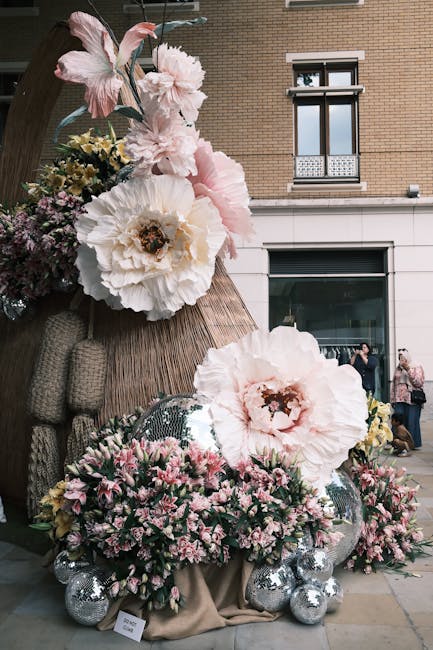
A particularly common mistake is ordering flowers that are beautiful in isolation but wrong for the room. A lush hand-tied bouquet can be gorgeous, yet still be the wrong answer for a formal install. If you are unsure, ask the florist to translate the idea into a venue-suitable format rather than forcing the original shape.
Tools, Resources and Recommendations
You do not need a complicated toolkit to run a smooth floral install, but you do need the right basics. Good planning tools are often the difference between a calm setup and a scramble.
- Venue floor plan - even a rough sketch helps identify traffic flow and focal points.
- Delivery timeline - list access times, setup windows, and event start time.
- Palette reference - keep one simple image or mood board that captures the look.
- Contact sheet - venue manager, event lead, security, and florist should all be on hand.
- Flower care guide - useful if pieces are delivered early or held on site.
For ongoing support, a few service pages can help you navigate the practical side of ordering. flower care guidance is valuable if arrangements need to last through a long event day. The florist's delivery information can clarify timing. And if you want reassurance before booking, review the site's guarantees and about us page to understand the level of service on offer.
For corporate teams, it is also worth exploring corporate accounts if you frequently organise venue flowers, hospitality gifting, or recurring event installs.
Law, Compliance, Standards, or Best Practice
Flower installations in a venue like Tate Britain are usually governed more by venue rules and professional best practice than by any special flower law. That said, the operational side matters a great deal.
Good practice typically includes:
- Respecting venue access procedures and working only within approved setup windows.
- Using safe, stable mechanics so arrangements are not easily knocked or tipped.
- Keeping walkways clear and avoiding obstructions near entrances, exits, and circulation points.
- Following handling and packaging expectations for an indoor public venue.
- Providing clear contact details so the venue team can reach the florist or event lead quickly if needed.
For businesses handling repeated installations, it is sensible to work with a supplier who can demonstrate professional standards around service, payment, and policies. Pages such as terms and conditions, returns and refund information, and privacy policy are worth checking before you commit.
Where sustainability or supply chain awareness matters to your organisation, review the florist's sustainability and modern slavery statement. These do not replace venue compliance, but they do support a more responsible procurement process.
Options, Methods, or Comparison Table
Not every event needs the same floral format. Choosing the right method depends on the scale of the room, the number of guests, and how formal the setting feels.
| Method | Best for | Strengths | Watch-outs |
|---|---|---|---|
| Low table arrangements | Dinners, sponsor tables, intimate receptions | Clear sightlines, elegant, easy to position | May feel understated if the room is very large |
| Entrance or statement pieces | Reception desks, arrivals, photo moments | Strong first impression, excellent for photography | Needs careful scale control so it does not dominate |
| Grouped smaller pieces | Bars, plinths, private lounges, mixed-use rooms | Flexible, easy to spread across a venue | Can feel fragmented if the palette is inconsistent |
| Luxury mixed installations | Launches, VIP evenings, brand events | High impact, rich texture, premium finish | Requires stronger planning, budget, and access time |
If you are still deciding between simple and high-impact flowers, use the room itself as the guide. Large rooms with striking architecture can often take a cleaner, more sculptural approach. Smaller hospitality spaces usually benefit from warmth, texture, and softer detailing.
For supporting gifts or secondary event flowers, useful related ranges include sprays, baskets and posies, and flowers in a vase. These can help bridge the gap between formal install work and practical hospitality needs.
Case Study or Real-World Example
Imagine a private evening at a Tate Britain gallery space in Pimlico. The organiser wants the room to feel elevated but not overworked. Guests will arrive through a narrow entrance, move toward a reception point, then disperse into a larger room for drinks and brief speeches.
In that situation, a sensible floral plan might include:
- one low, elegant arrangement at reception
- two mirrored pieces near the entrance to create symmetry
- smaller grouped designs on selected surfaces instead of every available table
- a restrained colour palette of whites, soft pinks, and a touch of green
Why that works: it gives the event structure without crowding the room. It also helps the venue remain the star of the show, which is usually what gallery clients want. The flowers support the architecture, lighting, and atmosphere rather than shouting over them.
For a different mood, perhaps a summer sponsor gathering, the same venue might suit brighter seasonal stems with more movement. A design using warm tones from summer flowers or a carefully edited summer selection can create a fresher, more social feel.
The biggest lesson? A successful gallery install is usually not the biggest floral idea. It is the best-fit floral idea.
Practical Checklist
Use this checklist before confirming your Tate Britain or Pimlico gallery flowers.
- Have you confirmed the event type and guest profile?
- Do you know the exact delivery time and venue access route?
- Have you checked whether the venue has flower restrictions?
- Is the floral style aligned with the exhibition, brand, or occasion?
- Have you chosen a palette that photographs well under indoor lighting?
- Are the arrangements stable enough for public-space use?
- Will the flowers work at eye level without blocking conversation?
- Have you asked about setup, placement, and final adjustment?
- Do you know how long the flowers need to last on site?
- Is there a fallback plan if delivery timing changes?
If the answer to any of those is unclear, pause and clarify before placing the order. A short conversation now is better than a rushed fix on the day. That is especially true if you are coordinating multiple suppliers at once.
Conclusion
Tate Britain event flowers in Pimlico are about more than decoration. They are part of the room plan, the guest journey, and the tone of the event itself. When the install is thoughtful, the flowers make a gallery feel calmer, more polished, and more memorable. When it is rushed or over-designed, they can create the opposite effect.
The safest route is simple: choose a florist who understands venue work, keep the brief clear, respect access constraints, and favour well-placed arrangements over floral excess. That approach is especially effective in a cultural setting where detail matters and the environment already has strong character.
Whether you need a modest reception display, a refined hospitality scheme, or a full gallery installation, planning early gives you more choice and better control. And if timing is tight, local support in SW1 can still make a significant difference.
Get a free quote today and see how much you can save.
Frequently Asked Questions
What are Tate Britain event flowers meant to achieve?
They are meant to support the atmosphere of the event, enhance key spaces, and create a polished first impression without overwhelming the venue.
Do gallery flower installs need special planning?
Yes. Gallery work usually requires more attention to access, timing, scale, and room layout than a standard domestic or restaurant arrangement.
Which flowers work best for a Pimlico gallery event?
Roses, lilies, chrysanthemums, alstroemeria, and carefully chosen mixed stems are often good options because they can be styled elegantly and travel well.
Can I order flowers at short notice for a Tate Britain event?
Sometimes, yes. Short-notice options may be possible through local delivery services, but the best results usually come from early planning and a clear brief.
How do I keep flowers from blocking sightlines at a dinner or reception?
Use low arrangements on tables and reserve taller work for entrances, plinths, or other areas where guests are not expected to talk across the display.
Are luxury flowers always better for gallery installs?
Not necessarily. Luxury flowers can be impressive, but the most effective install is the one that suits the venue, the brand, and the room scale.
What should I tell the florist before ordering?
Share the venue name, event type, guest numbers, colour preferences, timing, access restrictions, and whether the flowers are for tables, entrances, or photo areas.
Can event flowers be reused after the function?
Often they can. Smaller pieces may be moved to other rooms or repurposed for hospitality, gifting, or follow-up arrangements.
How important is flower care on the day?
Very important. Even a beautiful arrangement can deteriorate if it is left too warm, handled badly, or installed without enough water support.
What is the difference between a gallery install and a normal flower delivery?
A gallery install is planned around the venue, the guest journey, and the event experience. A normal delivery is usually simpler and less site-specific.
Do I need to check terms, refunds, and guarantees before booking?
Yes. For any event order, it is wise to review the florist's guarantees, terms, and returns policy so you understand what happens if plans change.
What is the best next step if I am still comparing options?
Start by speaking with a local florist and asking for a venue-aware recommendation. If you need inspiration, browse the event-friendly ranges and then narrow the brief from there.